What Professional Flooring Advice Should Actually Look Like
Genuine flooring advice starts with your subfloor, your foot traffic and your moisture levels – not a swatch book. If a flooring store near you is recommending a product before assessing those factors, you're getting a sales pitch, not professional guidance. Here's what real expertise looks like when you're choosing flooring on the Gold Coast that homes and businesses can actually rely on.
Why Flooring Advice Needs to Go Beyond Aesthetics
It's easy to fall in love with a floor because of how it looks in a showroom. But a showroom sample doesn't tell you how that product will perform under your specific conditions. Proper Gold Coast flooring advice accounts for the building itself – its age, its slab, its exposure to humidity – before any colour or finish gets discussed.
Example: A property investor renovating a 1980s Gold Coast unit might be drawn to a wide-plank engineered timber for its resale appeal. A professional assessment could reveal the concrete slab still carries residual moisture from the building's age and coastal humidity, meaning a timber-look hybrid product would hold up better long-term than solid engineered timber in that specific unit. The visual outcome is nearly identical – the underlying suitability is not.
This is the core difference between advice and upselling. Advice starts with the site. Upselling starts with the catalogue.
What Should a Proper Flooring Assessment Actually Involve?
A flooring professional worth trusting will walk through several site-specific factors before ever mentioning a product name. These typically include:
- Subfloor type & condition – concrete slab, particleboard or timber joists all behave differently & suit different flooring systems
- Moisture levels – particularly relevant for ground-floor Gold Coast homes near the coast or on lower-lying blocks
- Foot traffic & usage – a family home with kids & pets has different demands to a rental property or a quiet home office
- Subfloor levelness – uneven subfloors can rule out certain click-lock or rigid-core products without proper preparation
- Existing flooring – whether it needs full removal or can be floated over, which affects both cost & product choice
If a quote or consultation skips straight from ‘what room is it for’ to ‘here's what I'd pick’, the site-specific groundwork has likely been skipped too.
How Should Moisture & Subfloor Conditions Shape the Recommendation?
Moisture is one of the most overlooked factors in flooring failures, and it's also one of the easiest to test for properly. A qualified installer or consultant should be willing to check subfloor moisture content, particularly on concrete slabs, before recommending timber-based products.
High moisture readings don't necessarily rule out timber-look flooring altogether – they change which category is appropriate. Hybrid flooring, for instance, is built with a rigid core that's far more tolerant of subfloor moisture than solid timber or many laminates. A professional should explain this trade-off rather than simply avoiding the topic because it complicates the sale.
Which Flooring Type Actually Suits Your Space?
There's no single ‘best’ flooring type, only the type best suited to a given space, budget and lifestyle. Genuine advice compares options against your actual conditions rather than pushing whichever product carries the best margin.
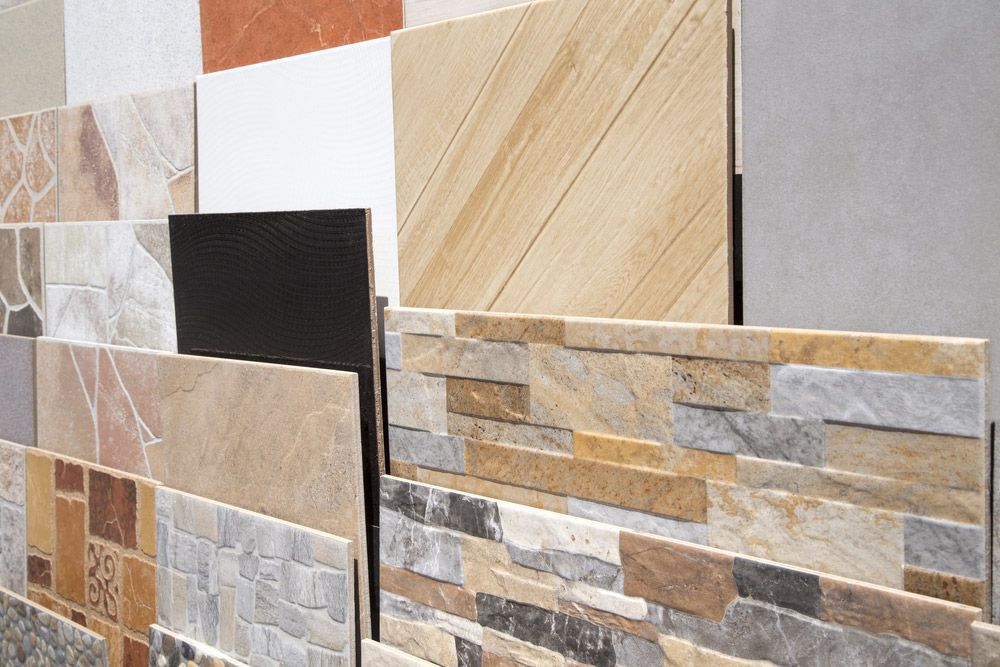
Hybrid flooring on the Gold Coast suits busy households and moisture-prone areas well, thanks to its waterproof core and stability over imperfect subfloors. Engineered timber offers a more premium, authentic timber look and feel, but performs best in drier, climate-controlled interiors. Laminate remains a budget-conscious option for lower-traffic areas, though it's less tolerant of moisture than hybrid. Vinyl (including sheet and plank formats) handles wet areas and high traffic well, making it a common choice for bathrooms, laundries and rental properties. Tiles suit outdoor-adjacent living areas, wet zones and homes prioritising longevity over underfoot warmth.
A professional should be able to explain not just what each product is, but why it does or doesn't suit your specific rooms, including the ones where you might expect them to recommend something else entirely.
Why Transparency Around Cost, Lifespan & Warranties Matters
Reliable flooring advice includes the numbers, not just the vision. Before any product is confirmed, you should walk away understanding:
- Total project cost – including supply, installation, subfloor preparation & removal of existing flooring, not just a per-square-metre product price
- Expected lifespan – realistic timeframes for the specific product & usage level, not a blanket ‘lasts forever’ claim
- Warranty terms – what's actually covered, what voids it & whether it covers the product, the installation or both
- Maintenance requirements – ongoing care needed to protect the warranty & the floor's appearance over time
A supplier confident in their product should have no hesitation walking through limitations alongside benefits. If warranty details are vague or lifespan claims sound too good to be true, that's worth questioning before signing off.
What Red Flags Should You Watch For?
Recognising poor advice is often easier than recognising good advice, because the warning signs tend to repeat. Watch for:
- One product for every problem – if every room, budget & lifestyle gets steered toward the same flooring type, site conditions probably aren't being factored in
- No mention of subfloor or moisture testing – a legitimate quote process should reference these, even briefly
- Vague or absent maintenance guidance – every flooring type has upkeep requirements, & a professional should explain them upfront
- Pressure to decide without samples – reputable Gold Coast flooring specialists provide physical samples so you can see the product in your actual lighting & space
- Reluctance to itemise costs – a total price with no breakdown makes it hard to compare value or spot inflated line items
None of these red flags means a business is acting in bad faith – sometimes it's simply a less thorough process. But they're worth raising as questions before committing to a supplier.
The Takeaway
Professional flooring advice should feel more like a site assessment than a sales conversation. If subfloor condition, moisture, traffic and long-term costs aren't part of the discussion, the recommendation you're getting is based on looks alone – and looks are the easiest part of a floor to get right. Whether you're a homeowner planning a renovation, an investor maintaining a rental or a builder specifying flooring for a client, ask for the reasoning behind a recommendation, not just the recommendation itself.
Contact Totally Flooring to learn more today.
Frequently Asked Questions
Do I need a moisture test before choosing new flooring?
It's strongly recommended, particularly for ground-floor properties or homes near the coast. A moisture test on the subfloor helps determine which flooring categories are suitable and can prevent costly failures like warping or delamination down the track.
Is hybrid flooring better than engineered timber?
Neither is universally ‘better’ – they suit different conditions. Hybrid flooring generally handles moisture and subfloor imperfections better, while engineered timber offers a more premium, authentic look in drier, stable environments.
How long should flooring last before it needs replacing?
Lifespan depends on the product, installation quality and usage. As a general guide, quality vinyl and hybrid flooring can last 15–25 years, engineered timber can last decades with proper care, and laminate typically has a shorter lifespan under heavy traffic. A professional should give you a realistic estimate for your specific product and household.
Should a flooring quote include installation and subfloor prep, or just the product?
A transparent quote should break down product cost, installation, subfloor preparation and removal of existing flooring separately. This makes it easier to compare quotes accurately and avoid unexpected costs later.
Why do some flooring suppliers only recommend one type of product?
This can happen when a business specialises in a narrow range or when site conditions aren't being properly assessed. It's reasonable to ask why a particular product suits your space specifically, rather than accepting a one-size-fits-all recommendation.
What should I ask a flooring specialist before committing to a quote?
Ask about subfloor and moisture assessment, expected lifespan for your usage level, what the warranty actually covers, ongoing maintenance requirements and a full cost breakdown. Their willingness to answer clearly is often as telling as the answers themselves.